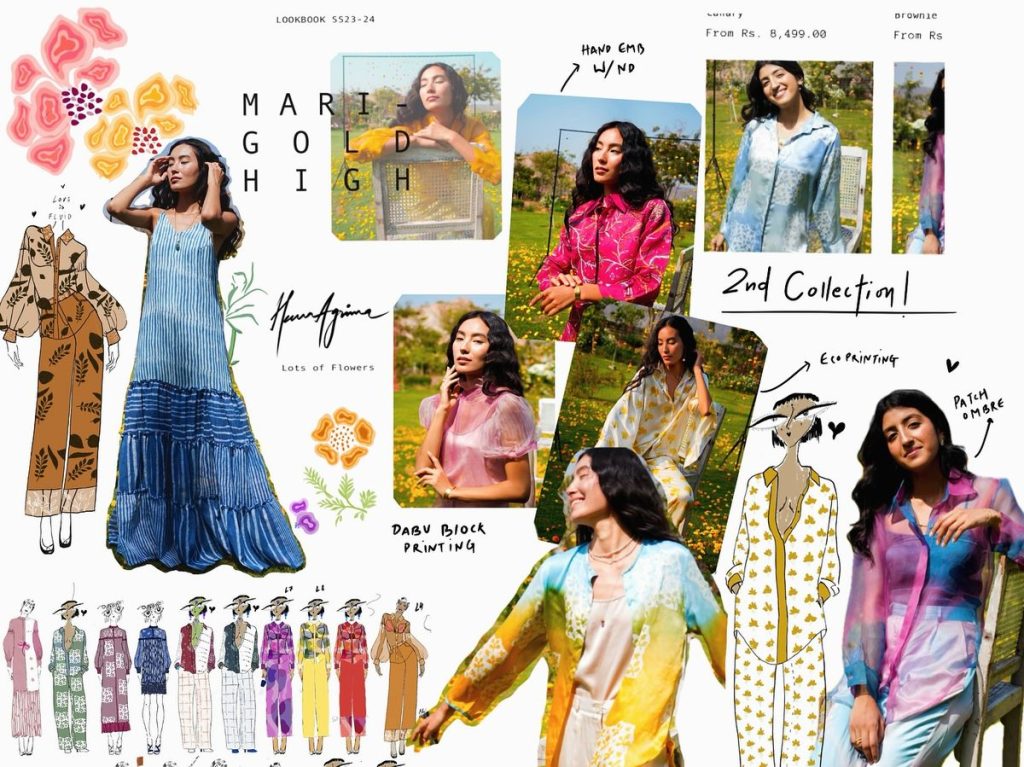
Clothing is often seen as something practical, something we wear every day without much thought. However, every piece of clothing carries a story. The jacket you wear during a special moment, the shirt you bought during a memorable trip, or even a family heirloom passed down through generations all hold meaning.
Fashion is not only about trends or style; it is also about memories, identity, and personal experiences. Many experts studying the psychology of fashion believe that clothing can reveal emotions, personality traits, and life experiences.
When we take the time to reflect on the clothes we wear, we begin to realize that our wardrobe is more than a collection of fabric, it is a collection of stories.
Clothing as a Personal Memory Archive
Many people keep certain pieces of clothing because of the memories attached to them. A dress worn at a wedding, a jacket from a favorite concert, or a sweater given by a loved one can carry emotional significance.
These items often become meaningful reminders of important life moments. Even if they are rarely worn again, people may keep them because they represent a special experience or relationship.
In this way, clothing can act as a personal archive of memories. Each piece becomes a symbol of a moment in time, reminding us of where we have been and who we were during that period.
Fashion and Identity
Clothing also tells the story of who we are. The styles we choose often reflect our personality, beliefs, and lifestyle. Over time, these choices shape a unique personal identity.
For example, someone who prefers simple and minimal clothing may value practicality and clarity. Another person who enjoys bold colors and creative designs may express individuality and artistic energy.
As people grow and change, their style often evolves as well. This evolution reflects personal development, experiences, and shifting priorities.
Fashion communities such as Konscious Kollective often emphasize the importance of wearing clothing that reflects authentic identity rather than simply following trends.
When clothing choices align with identity, style becomes more meaningful and personal.
Cultural Stories in Clothing
Clothing can also carry cultural stories. Traditional garments, patterns, and fabrics often represent a region’s history, heritage, and values.
Across the world, cultural clothing reflects centuries of tradition. Specific colors, materials, or designs may symbolize celebrations, religious beliefs, or social roles.
For example, ceremonial clothing worn during festivals or important events often carries deep cultural meaning. These garments connect individuals to their communities and ancestors.
When people wear traditional clothing, they are often preserving and sharing cultural stories that have existed for generations.
The Emotional Language of Clothing
Clothing often communicates emotions without words. The colors, textures, and styles people choose can reveal how they feel.
For example:
- Bright colors may express joy and optimism.
- Neutral tones may reflect calmness and balance.
- Bold styles may show confidence and creativity.
These choices are not always conscious, but they can reveal emotional states and personal attitudes.
Researchers in the psychology of fashion explain that clothing can influence mood as well as reflect it. When people wear clothing that feels meaningful or empowering, it can improve confidence and emotional well-being.
Clothing and Life Transitions
Throughout life, people often change the way they dress as they move through different stages. Graduation, career changes, marriage, or personal growth can all influence style choices.
For instance, a student may dress differently once they enter a professional workplace. Similarly, someone exploring a new lifestyle or career may experiment with different styles that reflect their evolving identity.
These changes are part of the story clothing tells. They mark personal transitions and highlight how individuals grow over time.
Sustainable Fashion and Meaningful Choices
In recent years, many people have started thinking more deeply about the meaning behind their clothing choices. Instead of buying items quickly and discarding them, some individuals prefer to build wardrobes filled with meaningful and long-lasting pieces.
This approach encourages people to value clothing not only for appearance but also for the story behind it. Where the clothing was made, how it was produced, and why it was chosen all become part of its narrative.
Communities like Konscious Kollective often encourage mindful fashion choices that focus on awareness, identity, and purpose.
Learning to Listen to Your Wardrobe
Listening to the stories our clothes tell requires a simple shift in perspective. Instead of seeing clothing only as a daily necessity, we can begin to see it as a reflection of our experiences and identity.
You can start by asking questions about your wardrobe:
- Which items hold special memories?
- Which clothes make you feel confident or comfortable?
- Which styles best represent your personality?
- Which pieces connect you to your culture or history?
By reflecting on these questions, people often discover that their clothing tells a much deeper story than they expected.
Clothing is far more than fabric and design. It is a reflection of memories, emotions, culture, and identity. Every piece of clothing we wear carries a story whether it is a personal memory, a cultural tradition, or an expression of individuality.
By paying attention to these stories, we can better understand ourselves and the experiences that shape us. Fashion becomes not just a way to dress, but a meaningful way to express who we are and where we have been.
When we learn to listen to the stories our clothes tell, we begin to see fashion in a more thoughtful and personal way.