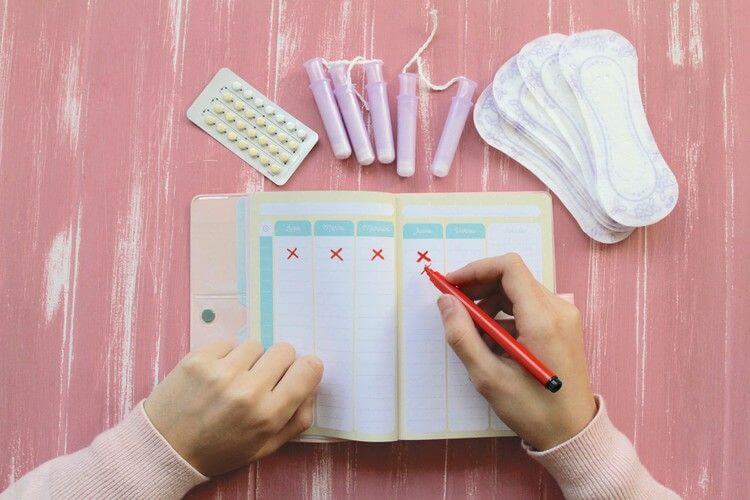
One of the most common concerns women have when considering contraception is whether it could impact their ability to conceive later in life. With so much conflicting information online, it’s easy to feel uncertain.
The short answer? For most women, birth control does not have a lasting negative effect on fertility. However, the full picture is more nuanced, and understanding how different methods work can help you make informed decisions about your reproductive health.
How Birth Control Affect Your Hormones
Birth control methods are designed to prevent pregnancy in different ways. Hormonal options like pills, patches, injections, and intrauterine devices (IUDs) work primarily by suppressing ovulation, thickening cervical mucus, or thinning the uterine lining. Non-hormonal methods, such as copper IUDs or barrier methods, prevent fertilization without altering hormone levels.
Because hormonal birth control temporarily changes your body’s natural cycle, many women worry that these changes could become permanent. In reality, these effects are reversible for the vast majority of users.
How Long Does It Take for Fertility to Return After Birth Control?
Fertility typically returns soon after stopping most forms of birth control. For example:
- Birth control pills, patches, and rings: Ovulation can resume within a few weeks.
- Hormonal IUDs: Fertility often returns within the first month after removal.
- Copper IUDs: Since they are non-hormonal, fertility returns almost immediately.
- Injectable contraceptives (like Depo-Provera): These may take longer, sometimes up to 6–12 months, for ovulation to fully resume.
This delay does not mean permanent infertility. It simply reflects how long the body takes to rebalance hormones after certain methods.
Can Birth Control Cause Long-Term Infertility? (Myth vs Facts)
There is no strong scientific evidence suggesting that birth control causes long-term infertility. Many studies show that women who have used contraception conceive at similar rates as those who have not. In fact, some women may even benefit from using birth control, as it can help manage conditions like endometriosis or polycystic ovary syndrome (PCOS), which themselves can impact fertility.
What often gets mistaken as “birth control causing infertility” is actually an underlying condition that existed before contraception was used. Birth control can mask symptoms like irregular periods, so when it is stopped, those issues become noticeable again.
Does Birth Control Delay Fertility or Is Age the Real Factor?
It’s important to recognize that age plays a much more significant role in fertility than birth control use. Fertility naturally declines over time, particularly after the age of 35. If someone uses birth control for many years and then tries to conceive later, age-related changes not the contraception are usually the primary factor.
This distinction is crucial when evaluating your reproductive timeline. Birth control does not “use up” fertility or reduce your egg count.
When to Worry About Fertility After Stopping Birth Control
While most women regain fertility quickly, there are cases where it may take longer. If you’ve stopped birth control and haven’t resumed regular periods after a few months, it may be worth consulting a healthcare provider.
Signs that warrant attention include:
- Irregular or absent periods for several months
- Severe hormonal imbalances
- Difficulty conceiving after 12 months (or 6 months if over 35)
In such cases, focusing on overall hormonal health and exploring options like period recovery can be a helpful step toward restoring balance and supporting fertility.
How to Support Hormonal Balance After Coming Off Birth Control
Transitioning off birth control is a good time to support your body naturally. While not everyone experiences issues, some women notice temporary symptoms such as irregular cycles, acne, or mood changes.
Here are a few ways to ease the transition:
- Prioritize nutrition: A balanced diet rich in healthy fats, protein, and micronutrients supports hormone production.
- Manage stress: Chronic stress can disrupt hormonal balance and delay ovulation.
- Get adequate sleep: Sleep is essential for regulating hormones.
- Track your cycle: Understanding your natural rhythm can help you identify when ovulation returns.
These steps are not just helpful for fertility, they also promote overall well-being.
Emotional Impact of Fertility Concerns After Birth Control
Concerns about fertility can be deeply emotional. For many women, the ability to conceive is tied to long-term life plans and personal identity. It’s normal to feel anxious about whether past choices, including birth control use, could affect future outcomes.
However, it’s important to approach this topic with evidence-based reassurance rather than fear. Understanding the connection between amenorrhea and birth control can provide clarity, as birth control is one of the most studied medical interventions and its safety profile including its impact on fertility is well established.
Final Answer
So, does birth control affect fertility in the long run? For most women, the answer is no. Fertility typically returns once contraception is stopped, although the timeline can vary depending on the method used.
What matters more than past birth control use is your current health, age, and any underlying conditions. By staying informed, listening to your body, and seeking support when needed, you can confidently navigate your reproductive health journey.
If you’re planning to conceive in the future, remember that birth control is a temporary tool, not a permanent barrier.