Handmade products are experiencing a surge in popularity across the Middle East, as consumers increasingly value craftsmanship, authenticity, and cultural heritage. From artisanal jewellery to bespoke fashion pieces, there is a growing appreciation for items that reflect skill, tradition, and personal touch.
This shift represents both a cultural and economic opportunity, highlighting the demand for high-quality, unique products in a market that celebrates individuality and meaningful luxury.
A Cultural Shift Toward Artisanal Quality
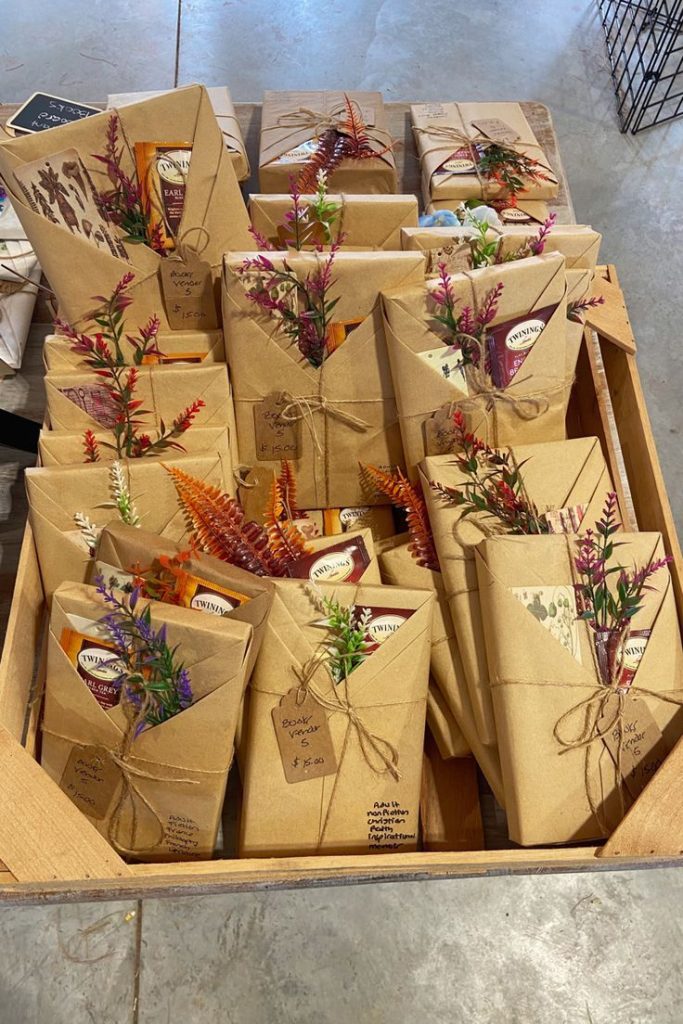
Consumers in the Middle East are moving away from mass-produced goods in favor of handcrafted items. Handmade products showcase attention to detail, artistry, and cultural significance, often carrying stories of local craftsmanship. Whether it’s intricately embroidered garments, hand-carved décor, or luxury accessories, these items provide a connection to tradition and personal style. Fashion pieces like red carpet coats are increasingly being crafted by artisans, offering exclusivity and superior quality that mass production cannot match.
Fashion as Wearable Art
Handmade fashion is celebrated for its uniqueness and creativity. These pieces allow individuals to express personal style while supporting skilled artisans. By incorporating traditional techniques with contemporary aesthetics, handmade clothing and accessories often stand out as one-of-a-kind statement items. This approach reflects the power of handmade, highlighting the value of craftsmanship, cultural heritage, and artistry in everyday and festive fashion.
Supporting Local Artisans
The growing interest in handmade products provides economic opportunities for local artisans. Purchasing handcrafted goods directly supports these creatives and helps preserve traditional skills. Many designers and brands share the stories behind their artisans, increasing visibility and appreciation for authentic, handcrafted creations in both local and international markets.
Sustainable and Meaningful Luxury
Handmade products often align with sustainable practices, using ethically sourced materials and eco-friendly methods. This resonates with consumers who are looking for products that are not only beautiful but also ethically made, creating a meaningful connection between buyer and creator. Handcrafted items combine luxury, durability, and responsibility, offering a sustainable alternative to fast fashion.
The Role of E-Commerce and Social Media
Digital platforms have made handmade products more accessible than ever. Online marketplaces and social media allow artisans to reach a wider audience, showcase their creative process, and connect directly with consumers. Behind-the-scenes content, storytelling, and influencer collaborations have been key in driving the growing appeal of handmade goods in the region.
Investing in Craftsmanship
For fashion enthusiasts and collectors, handmade items are increasingly seen as investment-worthy. Their rarity, cultural value, and superior craftsmanship make them long-lasting wardrobe staples. Much like designer pieces, choosing artisanal products thoughtfully ensures both aesthetic enjoyment and enduring value.
Conclusion
The Middle East is witnessing a rise in the appreciation of handmade products, driven by a desire for authenticity, quality, and cultural connection. Handmade fashion, jewellery, décor, and accessories represent red carpet coats crafted with care and the power of handmade, blending artistry, heritage, and sustainability. By embracing these creations, consumers support local artisans, enjoy unique and timeless pieces, and participate in meaningful, mindful consumption.