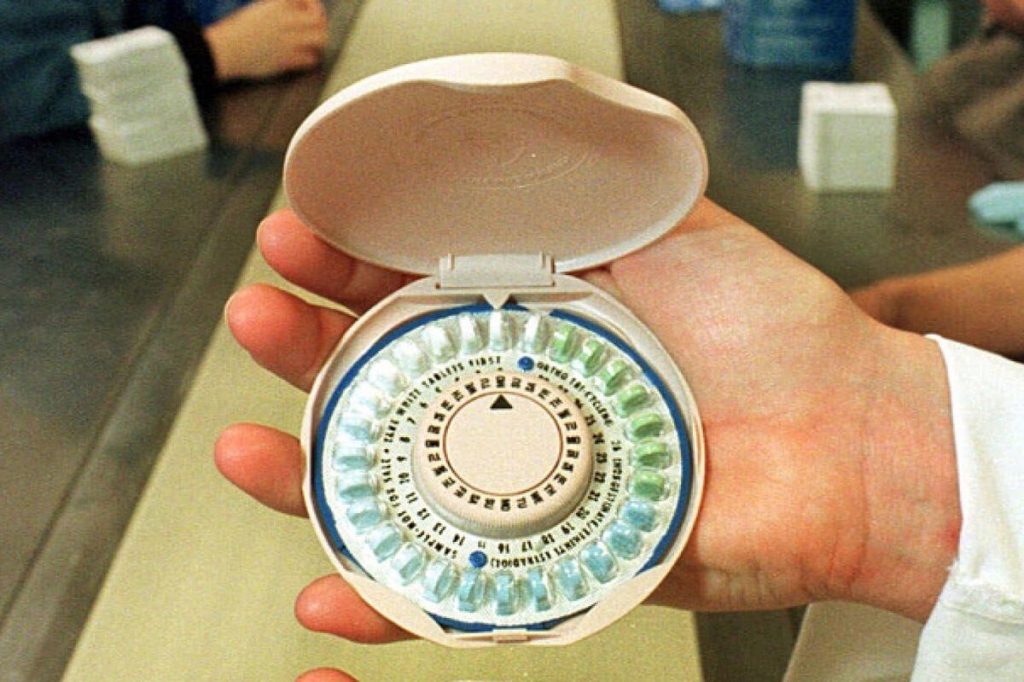
Women’s reproductive health is a foundational aspect of overall well-being, yet it is often misunderstood or oversimplified especially when it comes to birth control. While contraceptive methods provide essential autonomy and family planning options, their effects on the body can vary widely. Understanding these effects is key to making informed decisions that align with long-term health goals.
This guide explores how different birth control methods interact with the body, what changes to expect, and how to approach recovery and balance if needed.
Understanding Birth Control and the Body
Birth control works primarily by altering the natural hormonal cycle. Methods such as oral contraceptive pills, hormonal IUDs, injections, patches, and implants release synthetic hormones usually estrogen, progestin, or both to prevent ovulation, thicken cervical mucus, or thin the uterine lining.
While these mechanisms are effective in preventing pregnancy, they also influence the endocrine system, which regulates hormones throughout the body. This is where the broader impact on women’s reproductive health becomes important.
Common Effects of Hormonal Birth Control
Hormonal birth control can produce a range of effects, both positive and negative. Some of the most commonly reported include:
Cycle Regulation:
Many women experience more predictable and lighter periods. For those with irregular cycles, this can feel like a significant improvement.
Reduced Menstrual Pain:
Cramping and discomfort often decrease due to suppressed ovulation and thinner uterine lining.
Skin Changes:
Some individuals notice clearer skin, while others may experience breakouts depending on how their body responds.
Mood Variations:
Hormones play a direct role in mood regulation. While some women report emotional stability, others may experience mood swings, anxiety, or low energy.
Libido Changes:
Fluctuations in sex drive can occur due to hormonal shifts, particularly with methods that significantly suppress natural hormone production.
These effects highlight that while birth control can support certain aspects of women’s reproductive health, it may also introduce new imbalances for some individuals.
Non-Hormonal Options and Their Impact
Non-hormonal birth control methods, such as copper IUDs, condoms, and fertility awareness methods, do not interfere with the endocrine system in the same way. However, they come with their own considerations.
For example, copper IUDs may lead to heavier periods and increased cramping, particularly in the first few months. Barrier methods like condoms have minimal physiological impact but require consistent and correct use.
Choosing between hormonal and non-hormonal methods depends on personal health history, lifestyle, and long-term goals.
The Transition Off Birth Control
One of the most overlooked aspects of women’s reproductive health is what happens after stopping birth control. The body does not always immediately return to its natural rhythm.
Some women regain normal cycles within weeks, while others may experience:
- Delayed or missing periods
- Hormonal acne
- Irregular ovulation
- Fatigue or mood fluctuations
This phase is often referred to as post-birth control adjustment, and it can last several months. Supporting the body during this time is essential for restoring balance.
This is where guided support can make a meaningful difference. Working with a period recovery approach helps individuals understand their body’s signals and rebuild hormonal health intentionally. In more complex cases, seeking guidance from a period recovery expert can provide personalized strategies tailored to individual needs.
Supporting Hormonal Balance Naturally
Whether currently using birth control or transitioning off it, there are several ways to support overall hormonal health:
Nutrition
A balanced diet rich in whole foods, healthy fats, and micronutrients supports hormone production and regulation. Nutrients like magnesium, zinc, and B vitamins are particularly important.
Stress Management
Chronic stress disrupts the hypothalamic-pituitary-adrenal (HPA) axis, which directly affects reproductive hormones. Practices such as mindfulness, exercise, and adequate rest can help maintain balance.
Sleep Quality
Hormonal repair and regulation occur during sleep. Prioritizing consistent, high-quality sleep is critical.
Cycle Awareness
Understanding natural cycle phases even while on certain forms of birth control can help individuals stay more connected to their body’s patterns and needs.
Individual Responses Matter
No two individuals experience birth control the same way. Factors such as genetics, existing hormonal imbalances, lifestyle, and overall health all influence how the body responds.
This is why a one-size-fits-all approach does not work for women’s reproductive health. What feels supportive for one person may feel disruptive for another.
Listening to the body, tracking changes, and seeking informed guidance when needed are essential steps in navigating these decisions.
When to Reevaluate Your Method?
It may be time to reassess your birth control choice if you notice:
- Persistent mood changes or low energy
- Loss of menstrual cycle after discontinuation
- Significant changes in skin, weight, or libido
- Ongoing fatigue or hormonal symptoms
These signs do not necessarily mean birth control is harmful, but they do indicate that your body may need a different approach or additional support.
Informed Approach to Women’s Reproductive Health
Birth control remains a powerful tool in modern healthcare, offering flexibility and control over reproductive choices. However, understanding its full impact allows for more empowered and intentional decisions.
Women’s reproductive health is not just about preventing pregnancy, it is about maintaining balance, supporting the body’s natural systems, and recognizing when adjustments are needed.
Take control of your health with clarity and intention. If you’re ready to understand your body beyond birth control, explore a guided period recovery journey or connect with a trusted period recovery expert to restore balance, rebuild your cycle, and make confident, informed decisions for your long-term well-being.